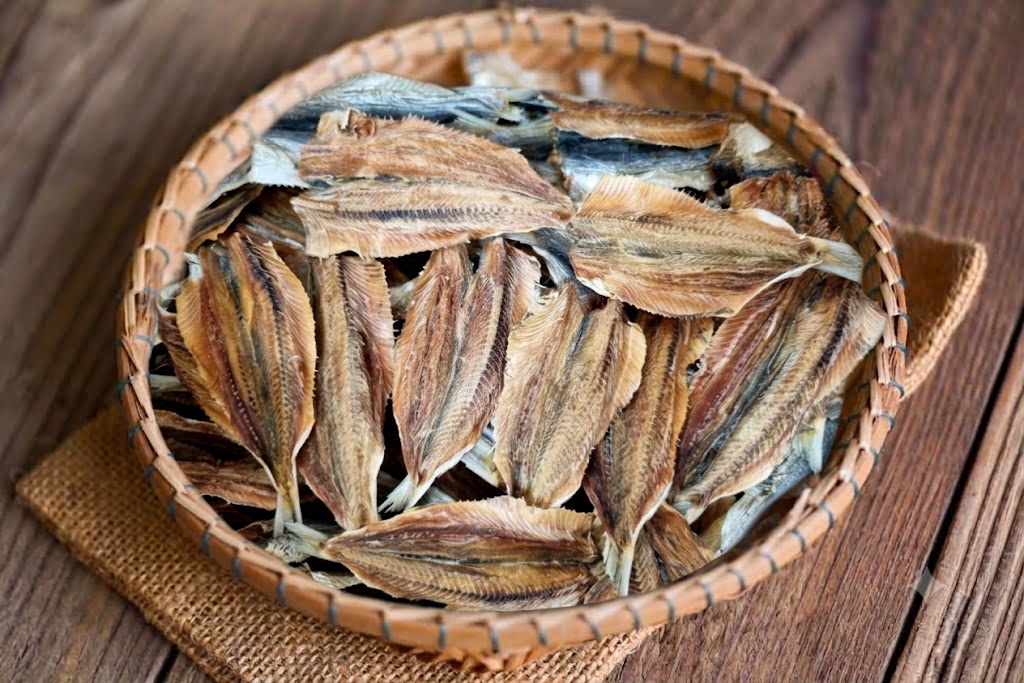
Why fish is winning in pet food in 2026?
Fish in Pet Food 2026: Why Manufacturers Are Choosing Marine Protein
Key takeaways
- Fish is one of the fastest-rising proteins in pet food, powered by clean-label demand, pet humanization, and the functional appeal of omega-3.
- The global pet treats market is projected to grow from ~US$38.4 billion in 2026 to ~US$58.7 billion by 2031, and Asia-Pacific is the fastest-growing region — where fish is a native, trusted ingredient.
- Fish delivers what manufacturers need in one protein: omega-3 for skin and coat, high palatability, hypoallergenic novel-protein options, and dental and calcium formats.
- Winning with fish now depends on certified, traceable, responsibly sourced supply — increasingly a buyer requirement, not a bonus.
Walk any premium pet aisle in Tokyo, Sydney, Seoul, or Toronto and fish is everywhere: salmon kibble, tuna toppers, bonito treats, sardine chews. What was once a niche protein has become a headline ingredient — and for pet food manufacturers, understanding why fish is winning is now part of staying competitive. This guide is the big-picture view: the market, the benefits, the formats, where demand is growing, and how to source fish responsibly.
Fish in pet food at a glance (2026)
Fish sits at the intersection of the biggest growth trends in pet nutrition. The figures below frame the opportunity.
| Metric | Figure (2026 unless noted) |
|---|---|
| Global pet treats market | ~US$38.4B, rising to ~US$58.7B by 2031 (8.9% CAGR) |
| All-natural dog treats | ~US$44.2B (2025), growing ~12.3% a year |
| Asia-Pacific pet treats | US$5.99B (2025) → US$8.16B (2030) — fastest-growing region |
| Freeze-dried pet food | ~US$20.8B, one of the fastest-growing formats |
| Key fish nutrient | Omega-3 fatty acids (EPA/DHA) |
Animal-based ingredients hold the largest share of the treats market thanks to their high protein content and palatability — and among them, fish is uniquely positioned as both a mainstream and a premium, functional protein.
Why manufacturers are turning to fish
Clean label and pet humanization
Owners increasingly treat pets as family and scrutinise ingredient panels. They want natural, minimally processed food with short, recognisable ingredient lists — the same clean-label instinct driving human food. Fish, especially single-species dried or freeze-dried fish, fits this demand better than almost any other protein.
Functional nutrition
Fish is not just protein; it is a functional ingredient manufacturers can build claims around:
- Omega-3 (EPA/DHA) supports healthy skin, a shiny coat, and joint and cognitive health.
- High palatability — fish aroma and taste win over picky eaters, which is why it dominates cat products.
- Novel / limited-ingredient protein — single fish species suit hypoallergenic and elimination diets.
- Dental and mineral formats — dried fish and fish bone provide natural chewing and calcium.
The benefits of fish, by pet type
Dogs. Fish is prized in dog nutrition for omega-3-driven skin, coat, and joint support, and as a novel protein for dogs with sensitivities to common meats. Dried fish treats also double as training rewards and dental chews.
Cats. Cats are obligate carnivores with a strong natural affinity for fish. In Japan — where cat ownership outpaces dog ownership and the market skews heavily toward wet food and treats — fish pastes and bonito have defined the modern cat-treat category. Palatability and omega-3 make fish a cornerstone of premium cat products across Asia and beyond.
Fish ingredient formats manufacturers use
Fish enters pet food in several forms, each serving a different product and price point.
| Format | Role | Typical fish inputs |
|---|---|---|
| Dry / kibble | Base protein and palatant | Fishmeal, dried fillet |
| Wet / canned | Moisture and palatability | Tuna, bonito, whitefish |
| Treats & chews | Reward, dental, topper | Dried sardine/herring, fish bone |
| Toppers / mixers | Enhance a base diet | Dried whole fish, flakes |
| Freeze-dried / air-dried | Premium, raw-style nutrition | Single-species fish |
The treats, toppers, and dried/freeze-dried segments are growing fastest, as owners trade up to premium, functional formats. Single-ingredient dried fish is a standout here — see our deep dive on “single-ingredient dried fish treats”.
Where the demand is growing
Fish-based pet food has historically been led by North America, but the momentum is now firmly in Asia-Pacific, the fastest-growing pet treats region and a market where fish carries deep cultural credibility.
- Japan — the region's premium benchmark: cat-heavy, wet- and treat-oriented, and the birthplace of bonito and skipjack-tuna cat treats.
- South Korea — a fast-innovating market with a tradition of dried-fish snacks such as hwangtae (dried pollock).
- Taiwan — premium, functional formulations that blend fish with traditional health ingredients.
- Australia, New Zealand, and Canada — mature, premium markets with strong demand for natural, functional treats and strict import standards.
- Singapore — a high-value hub and a gateway for premium and innovative pet nutrition across Southeast Asia.
For manufacturers and importers serving these markets, fish is not a hard sell — the consumer appetite already exists.
Sustainability and responsible sourcing
As fish use in pet food grows, so does scrutiny of where it comes from. Buyers and retailers increasingly expect responsible sourcing and traceability.
- Certification schemes such as MarinTrust (for marine-ingredient producers) and the Marine Stewardship Council (MSC, for wild-capture fisheries) are becoming reference standards, with major feed and aquaculture standards raising the share of certified marine ingredients they require.
- By-product utilisation — using trimmings and offcuts from human-grade seafood processing — reduces waste and improves resource efficiency, a growing focus of responsible-sourcing standards.
- Fishery Improvement Projects (FIPs) are advancing responsible practice in key sourcing regions, including a multispecies FIP in the Vũng Tàu area of Vietnam — the heart of the country's seafood-processing industry.
For manufacturers, the practical takeaway is to prioritise suppliers who can demonstrate food-safety certification, traceability, and a responsible-sourcing story that stands up to retailer and consumer questions.
How to source fish for pet food
Reliable fish supply is now a strategic issue: supply instability in fish ingredients has affected a large share of manufacturers, and safety inspections have tightened. Choosing the right supplier means checking certifications, traceability, raw-material stability, and each destination market's import rules. For a full checklist, see our guide on [INTERNAL LINK: /sourcing-fish-pet-food-suppliers "sourcing fish ingredients for pet food"].
Where Baseafood fits
Baseafood is a Vietnamese seafood processor and exporter in Ho Chi Minh city, producing dried fish suited to pet food under HACCP, BRC, FDA, SMETA, and ISO certification - clean, additive-free, and from a single traceable source. The pet-food range includes:
- Dried Herring / Sardine Fillet(Sardinella gibbosa) — omega-3-rich, ~15% moisture, no seasoning, for dry and wet food, treats, and toppers.
- Dried Fish Bone (Iwashi, Aji, Kisu) — a natural dental chew and calcium-rich topper.
- Dried Fish for Pet Foods - Yellowstripe Trevally, Yellowtail Scad— whole-fish and novel-protein options for treats and toppers.
Contact us for samples and specifications.
Outlook
Fish is set to keep gaining share of the pet bowl through 2026 and beyond, led by premium treats, toppers, and freeze-dried formats, and by Asia-Pacific demand. The manufacturers who win will pair fish's natural advantages — clean label, omega-3, palatability — with certified, traceable, responsibly sourced supply. Fish is no longer just an alternative protein; it is a strategic one.
FAQ
Why is fish used in pet food?
Fish is used for its high-quality protein, omega-3 fatty acids (which support skin, coat, and joint health), strong palatability, and suitability as a novel or limited-ingredient protein for pets with sensitivities. It fits clean-label and functional-nutrition trends particularly well.
Is fish good for both dogs and cats?
Yes. Fish supports skin, coat, and joint health in dogs and is highly palatable for cats, which have a strong natural affinity for it. Fish appears across dry food, wet food, treats, chews, and toppers for both.
What kinds of fish are used in pet food?
Common species include salmon, tuna, whitefish, sardine, herring, and pollock, along with others such as trevally and yellowtail. They are used as fishmeal, dried or freeze-dried fillets, whole dried fish, and pastes or flakes.
Which regions are driving fish pet food demand?
North America remains a large market, but Asia-Pacific is the fastest-growing region, led by Japan, South Korea, Taiwan, and premium markets such as Australia, New Zealand, Canada, and Singapore, where fish is a culturally trusted ingredient.
What should manufacturers look for in a fish pet food supplier?
Recognised food-safety and social-audit certifications (HACCP, BRC, FDA, SMETA, ISO), complete traceability, stable raw-material access, a responsible-sourcing story, and the ability to meet each destination market's import requirements.
Conclusion
Fish has moved from niche to strategic in pet food, and 2026's growth in premium, natural, and functional products only strengthens the case. For manufacturers, the opportunity is clear — and it starts with a certified, traceable supply of clean, additive-free fish.
Baseafood supplies dried herring/sardine fillet, dried fish bone, dried yellowstripe trevally, and dried yellowtail from Vietnam — certified to HACCP, BRC, FDA, HALAL, SMETA, and ISO. Contact us for samples, specifications, and private-label options.

