Sourcing Fish for Pet Food: A B2B Buyer's Guide 2026
Sourcing Fish for Pet Food: Supply Security, Safety & Traceability
Key takeaways
- Fish supply has become a strategic risk. Ingredient instability has affected a large share of pet food manufacturers, while recalls and border inspections have risen — making supplier choice a resilience decision, not just a price one.
- Certifications are the entry ticket. HACCP, BRC, FDA registration, SMETA, ISO, and HALAL cover the food-safety, quality, and social-audit bar most markets expect; MarinTrust and MSC address responsible marine sourcing.
- Import rules differ sharply by country. Australia and Canada require import permits and detailed documentation; Japan needs business notification and Japanese-language labelling; New Zealand works through a shelf-stable pet food import health standard.
- Traceability is the common thread. Every major market rewards suppliers who can produce complete, verifiable documentation for each lot.
Choosing where to buy fish for pet food used to be mostly about price and spec. In 2026 it is about risk. Supply volatility, tighter safety enforcement, and market-specific import rules mean the wrong supplier can stall a shipment at the border or trigger a recall. This guide walks manufacturers, private-label brands, and importers through sourcing fish ingredients with confidence - including a deep dive into the import requirements of Australia, Canada, Japan, and New Zealand.
Why sourcing is now a strategic risk
Several pressures have converged:
- Supply instability. Fluctuating fish availability has disrupted a significant share of manufacturers, affecting continuity of production.
- More recalls, tighter inspections. Contamination-related recalls have climbed, and safety inspections of raw-material sourcing have increased in North America and Europe.
- Rising buyer expectations. Retailers and consumers now ask where ingredients come from and whether they are responsibly sourced.
The result: a low headline price from an uncertified or opaque supplier can cost far more once you factor in held shipments, failed inspections, and reputational damage. Sourcing resilience is now a competitive advantage.
The certifications that matter
Certifications are how a supplier proves - before you order - that it operates the systems your market demands. Prioritise these:
| Certification | What it covers |
|---|---|
| HACCP | Systematic food-safety hazard control |
| BRCGS | Global food-safety and quality management |
| FDA registration | US food-facility registration and compliance |
| SMETA | Ethical and social-audit (labour, safety) standards |
| ISO (e.g. 22000) | Food-safety management systems |
| HALAL | Compliance for Muslim-majority and mixed markets |
| MarinTrust / MSC | Responsible marine-ingredient sourcing and traceability |
Food-safety and social-audit certifications (the first six) are increasingly the minimum bar for import approval and retailer listing. MarinTrust and MSC address the sustainability question that more buyers now raise.
Traceability: what "complete documentation" means
Traceability means being able to follow a product back from the finished bag to the specific raw material and its origin. For fish, complete documentation typically includes species identification, origin, processing records, food-safety test results, and — for many markets — an official health or zoosanitary certificate. A supplier that can produce this quickly for every lot is one that will keep your consignments moving.
Import requirements by market
Import rules for pet food and pet food ingredients vary significantly. The table summarises the four markets below; always verify current requirements in each authority's official system before shipping, as rules change.
| Market | Authority & framework | Import permit? | Key requirements |
|---|---|---|---|
| Australia | DAFF — Biosecurity Act 2015 (BICON) | Usually yes | Animal feed checklist, production questionnaire, full ingredient % and species of origin, processing/treatment evidence; food-safety checks under IFIS |
| Canada | CFIA — Health of Animals Regulations (AIRS) | Yes | Import permit after risk-assessment questionnaire; country eligibility; zoosanitary export certificate; vet-endorsed documentation for fish |
| Japan | MAFF / FAMIC — Pet Food Safety Act | Generally no permit for finished shelf-stable | Business notification; Japanese-language label in MAFF format; additive and residue compliance; confirm classification at port |
| New Zealand | MPI — Biosecurity Act 1993 (IHS) | Only if it contains probiotics | Meet the shelf-stable pet food IHS; commercially packaged and labelled as pet food; zoosanitary/health certification |
Australia — among the world's strictest
Australia's Department of Agriculture, Fisheries and Forestry (DAFF) manages biosecurity under the Biosecurity Act 2015. Importers must classify their goods in the BICON system, where the Pet Food case sets out conditions — and a valid import permit is generally required before goods arrive. Applications typically need an animal feed checklist and a production questionnaire, a full ingredient list expressed as percentages, the species of origin of every animal ingredient, and evidence that ingredients are processed to reduce biosecurity risk. Imported food for sale is also screened under the Imported Food Inspection Scheme.
Canada — permit and country eligibility
The Canadian Food Inspection Agency (CFIA) requires an import permit for most pet food containing animal products, issued only after a risk-assessment questionnaire. Country eligibility depends on animal health status and acceptance of the exporting country's zoosanitary certification, verified through the Automated Import Reference System (AIRS). Products containing fish and other animal-origin ingredients — especially from facilities not yet assessed by CFIA — often require vet-endorsed documentation and detailed attestations on segregation and sanitation.
Japan — notification and labelling
Japan regulates pet food under the Pet Food Safety Act, administered by MAFF and FAMIC. Manufacturers, importers, and sellers must file a business notification, and products need Japanese-language labelling in the prescribed format plus compliance with additive and residue standards. Fully processed, shelf-stable finished pet food generally faces lighter animal-health certification, but importers should confirm how a dried-fish product is classified at the port of entry before shipping. Japan's premium market is especially receptive to fish, freeze-dried, and functional formats.
New Zealand — the shelf-stable pet food IHS
New Zealand's Ministry for Primary Industries (MPI) issues Import Health Standards (IHS) under the Biosecurity Act 1993, and only commodities covered by an IHS can enter. The Import Health Standard for Shelf-stable Petfoods Containing Animal Products applies to products like dried fish treats: they must be commercially prepared, packaged, and labelled as pet food, arrive in original sealed packaging, and carry the required zoosanitary certification. An import permit is needed only where the product contains viable microorganisms such as probiotics.
(Singapore, South Korea, and Taiwan each have their own frameworks; the principle is the same — certified, traceable, well-documented supply clears customs fastest.)
A supplier due-diligence checklist
Before committing to a fish ingredient supplier, confirm:
- Certifications — HACCP, BRCGS, FDA registration, SMETA, ISO, and HALAL as relevant, with valid certificates you can verify.
- Traceability — the supplier can document species, origin, processing, and safety testing for every lot.
- Documentation for your market — they can provide the health/zoosanitary certificates and ingredient details your destination requires.
- Raw-material stability — reliable access to supply so you are not exposed to sudden shortages.
- Responsible sourcing — a credible sustainability story for retailer and consumer questions.
- Consistency and capacity — proven ability to meet your volume, spec, and packaging year-round.
- Samples and specs upfront — willingness to share product samples and full specifications before you order.
For the product side of the decision, see our guide to “dried fish treat formats”, and for the wider market case, “why manufacturers are choosing fish in pet food”.
Where Baseafood fits
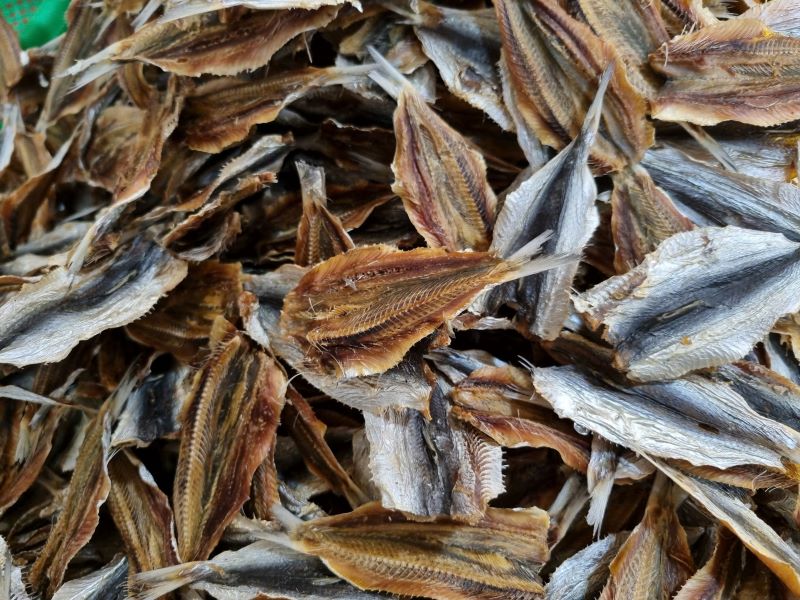
Baseafood is a Vietnamese seafood processor and exporter in Bà Rịa–Vũng Tàu, supplying dried fish for pet food under HACCP, BRC, FDA, HALAL, SMETA, and ISO certification — clean, additive-free, and from a single traceable source, with documentation prepared for export markets. The pet-food range includes the “Dried Herring / Sardine Fillet”, “Dried Fish Bone (Iwashi, Aji, Kisu)”, “Dried Yellowstripe Trevally and Dried Yellowtail".
Contact us for certificates, specifications, and samples.
FAQ
What certifications should a fish pet food supplier have?
Look for HACCP, BRCGS, FDA registration, SMETA, ISO (such as ISO 22000), and HALAL where relevant, plus MarinTrust or MSC for responsible marine sourcing. These cover food safety, quality, ethics, and traceability — the standards most import markets and retailers expect.
Do you need an import permit to bring fish pet food into Australia?
Generally yes. Australia's DAFF requires importers to classify goods in the BICON system, and a valid import permit is usually needed before arrival, supported by an animal feed checklist, a production questionnaire, ingredient percentages, and species-of-origin details.
What does Canada require to import fish-based pet food?
Canada's CFIA requires an import permit issued after a risk-assessment questionnaire, with country eligibility based on animal health status and zoosanitary certification, verified through the AIRS system. Fish and other animal-origin ingredients typically need vet-endorsed documentation.
Does Japan require a certificate to import dried fish pet treats?
Japan regulates pet food under the Pet Food Safety Act (MAFF/FAMIC), requiring business notification and Japanese-language labelling. Fully processed shelf-stable products generally face lighter animal-health certification, but importers should confirm classification at the port before shipping.
How do I reduce the risk of a shipment being held at customs?
Source from a certified, traceable supplier who can provide the exact documentation your market requires, confirm current rules in the destination authority's system before shipping, and ensure products are correctly packaged and labelled as pet food.
Conclusion
In 2026, sourcing fish for pet food is a risk-management discipline. The manufacturers who protect their supply chains choose certified, traceable suppliers, verify each market's import rules, and treat documentation as seriously as product quality. Done right, fish is not just a great ingredient — it is a dependable one.
Baseafood supplies certified, traceable, additive-free dried fish for pet food from Vietnam, with export documentation ready for demanding markets. Contact us for certificates, specifications, and samples.

