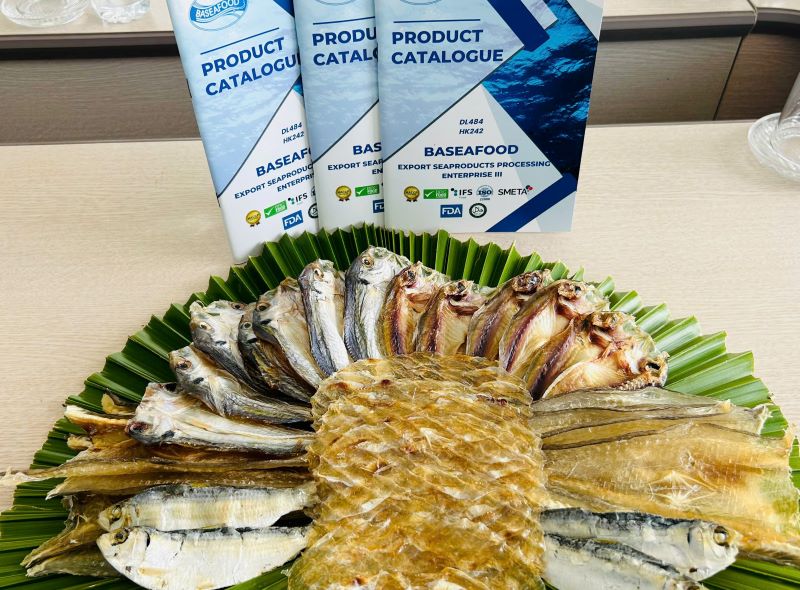
Vietnam Top Export Dried Fish
Vietnam Top Export Dried Fish: A Buyer's Guide to 10 Export-Ready Varieties
Vietnam's 3,200 km coastline and Mekong Delta waterways have supported a dried and salted fish trade for centuries. Today, that tradition has scaled into a modern export industry — HACCP-certified processing lines, IQF technology, and full cold-chain logistics feeding grocery shelves, foodservice kitchens, and food manufacturing lines across Asia, the Middle East, Africa, Europe, and North America.
For importers and distributors researching Vietnamese dried fish for the first time, the sheer number of species and product names can be confusing — the same fish is often sold under several names depending on the destination market. This guide breaks down 10 of the most commonly exported dried fish types from Vietnam: what each species is, who buys it, and how it's typically used, so you can identify the right product for your market before requesting a quote.
Key Takeaways
- Vietnam exports dried fish across three main categories: small pelagic fish for snacking and cooking (anchovy, round scad, yellowstripe trevally, sardine), premium or specialty dried fish (rabbitfish/Danggit, moonfish, croaker), and niche regional products (gourami, Bombay duck, lizard fish).
- Buyer intent generally falls into three groups: ethnic grocery distributors (serving Filipino, Vietnamese, South Asian, and other diaspora communities), foodservice buyers sourcing dried fish as a flavor base, and food manufacturers using dried fish as a raw ingredient for seasonings and processed snacks.
- Certifications to check before ordering: HACCP, BRC, FDA, HALAL, SMETA, ISO, IFS — most Vietnamese dried fish exporters, including Baseafood, hold this full certification set.
- Product names vary significantly by market — always confirm the Latin name when sourcing, since common names can overlap between unrelated species.
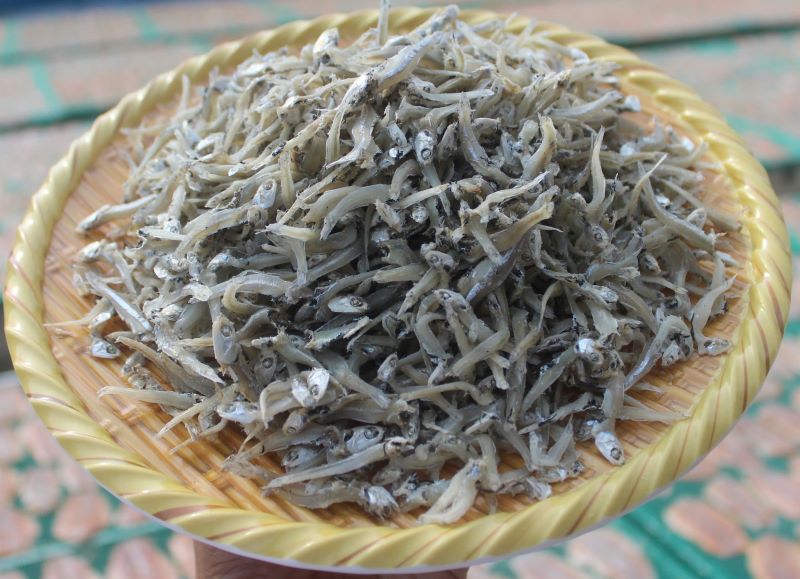
1. Dried Anchovy (Cá Cơm Khô)
Dried anchovy is one of Vietnam's highest-volume dried seafood exports, prized for its intense umami flavor and use as a base ingredient across Asian cooking — from Japanese dashi-adjacent applications to Southeast Asian broths and snacks. Anchovy is typically sold whole, sun-dried, with minimal or no seasoning, preserving its natural flavor for use as a cooking ingredient rather than a standalone snack.
Best for: food manufacturers building broth/seasoning bases, Asian grocery distributors, foodservice buyers needing a shelf-stable umami ingredient.
→ See our full product page: Dried White Anchovy / Common Anchovy
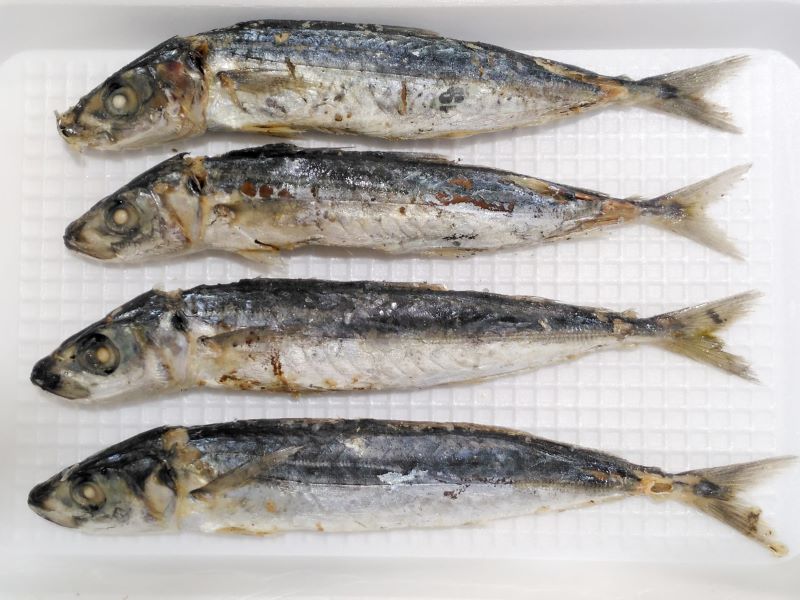
2. Dried Round Scad (Cá Nục Khô)
Round scad (genus Decapterus) is a small pelagic fish widely dried and salted across Vietnam and the Philippines, where it's known as galunggong. It's a staple protein source in home cooking — fried whole, added to rice dishes, or used as a savory topping — and one of the most recognizable dried fish silhouettes in Southeast Asian markets.
Best for: Filipino and Vietnamese ethnic grocery distributors, foodservice buyers serving Southeast Asian menus, bulk retail buyers.
→ See our full product page: Dried Round Scad
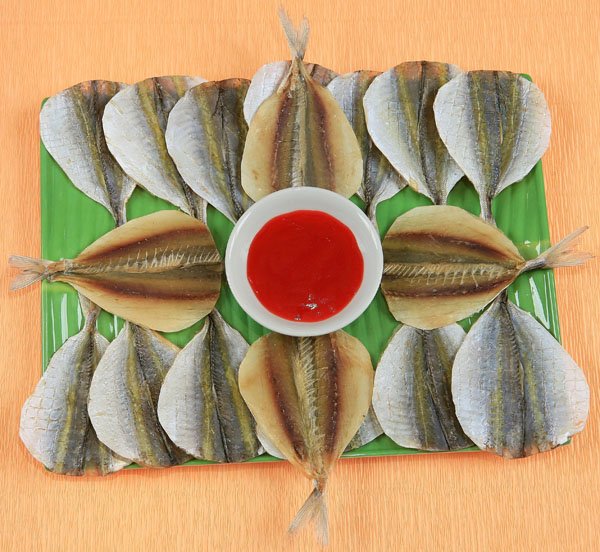
3. Dried Yellowstripe Trevally / Scad (Khô Cá Chỉ Vàng)
Recognizable by its signature golden stripe, yellowstripe trevally is dried whole or split (butterfly-style) and is a common ingredient in stir-fries, soups, and as a fried side dish across Vietnam, the Philippines, and other Southeast Asian markets. Its mild, slightly sweet flavor makes it more approachable than stronger-flavored dried fish varieties.
Best for: retail-ready ethnic grocery packs, foodservice buyers wanting a milder-flavored dried fish option.
→ See our full product page: Dried Yellowstripe Trevally / Scad
4. Dried Rabbitfish / Danggit (Cá Dìa Khô)
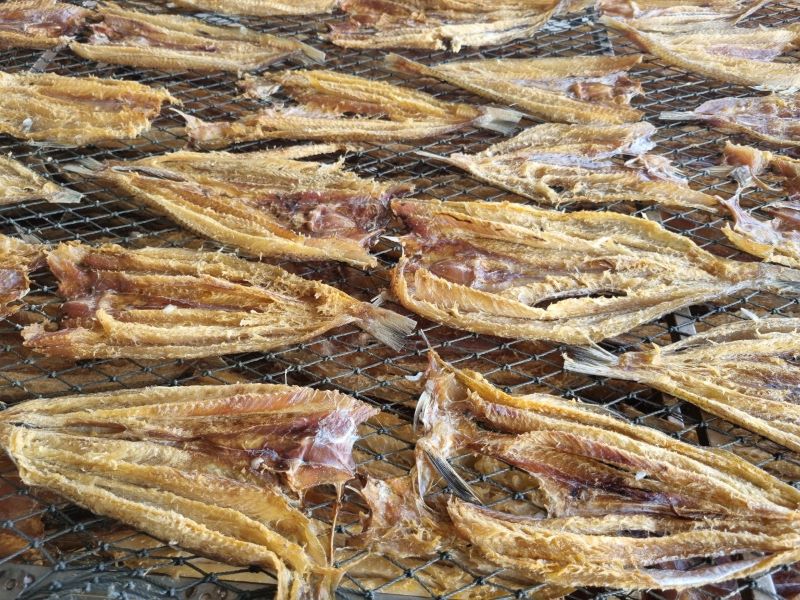
Known internationally by its Filipino name, Danggit, dried rabbitfish is butterflied, lightly salted, and dried — a breakfast staple across the Philippines, typically pan-fried until crisp and served with vinegar dip and rice. Vietnam has become a key export origin for this product, supplying Filipino communities worldwide.
Best for: Filipino grocery distributors and restaurants, especially in the US, Middle East, and other markets with large Filipino diaspora populations.
→ See our full product page: Dried Rabbitfish / Danggit
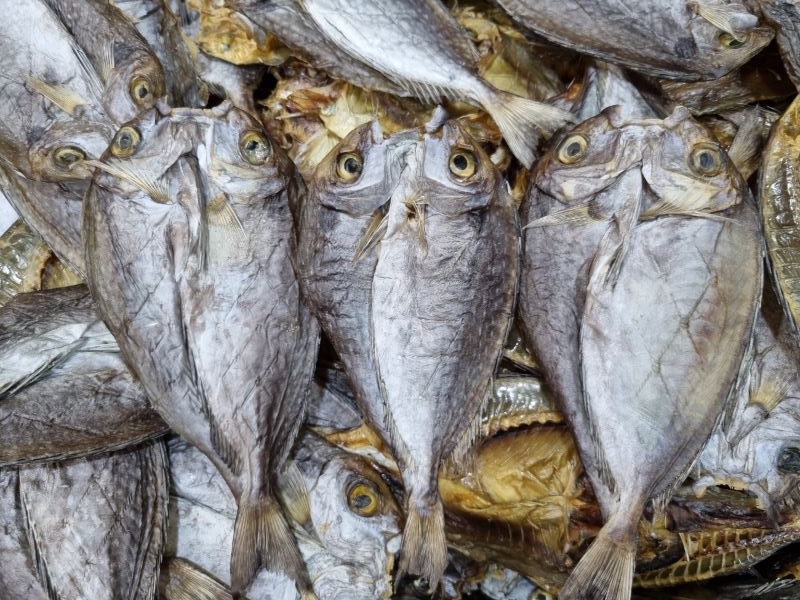
5. Dried Gourami (Cá Sặc Khô)
Gourami is a freshwater fish farmed extensively in Vietnam's Mekong Delta, then dried and salted for a distinctively strong, savory flavor. It's a traditional ingredient in Vietnamese and Cambodian cooking — grilled, steamed with rice, or shredded into salads — and represents one of the few freshwater (rather than marine) species in Vietnam's dried fish export lineup.
Best for: Vietnamese and Cambodian grocery distributors, foodservice buyers sourcing authentic Mekong Delta ingredients.
→ See our full product page: Dried Gourami
6. Dried Moonfish (Cá Lưỡi Búa Khô)
Also known as Razor Trevally, dried moonfish is distinguished by its flat, disc-shaped body. Unusually for a Vietnamese dried fish export, it has an established following well beyond Asia — it's a recognized product in Russian and Israeli markets in addition to Vietnamese, Chinese, and Filipino cuisines, giving it one of the broadest international buyer bases of any product in this list.
Best for: exporters serving Eastern European, Middle Eastern, and Asian markets simultaneously; buyers looking for a differentiated dried fish SKU.
→ See our full product page: Dried Moonfish
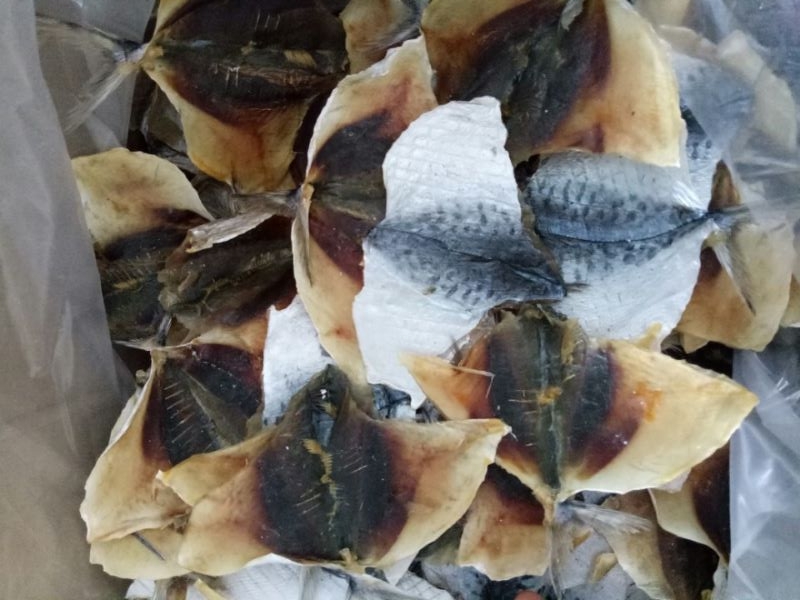
7. Dried Bombay Duck Fillet (Cá Khoai Khô)
Despite its name, Bombay duck (Harpadon nehereus) is a fish, not a bird — a soft-bodied, gelatinous species related to lizardfish, historically associated with South Asian cuisine but also caught and processed in Vietnam. Dried and filleted, it has a distinctive texture and pungent flavor once fried, and is used as a condiment or snack rather than a main-dish protein.
Best for: South Asian and Bangladeshi grocery distributors, specialty ethnic food importers.
→ See our full product page: Dried Bombay Duck Fillet
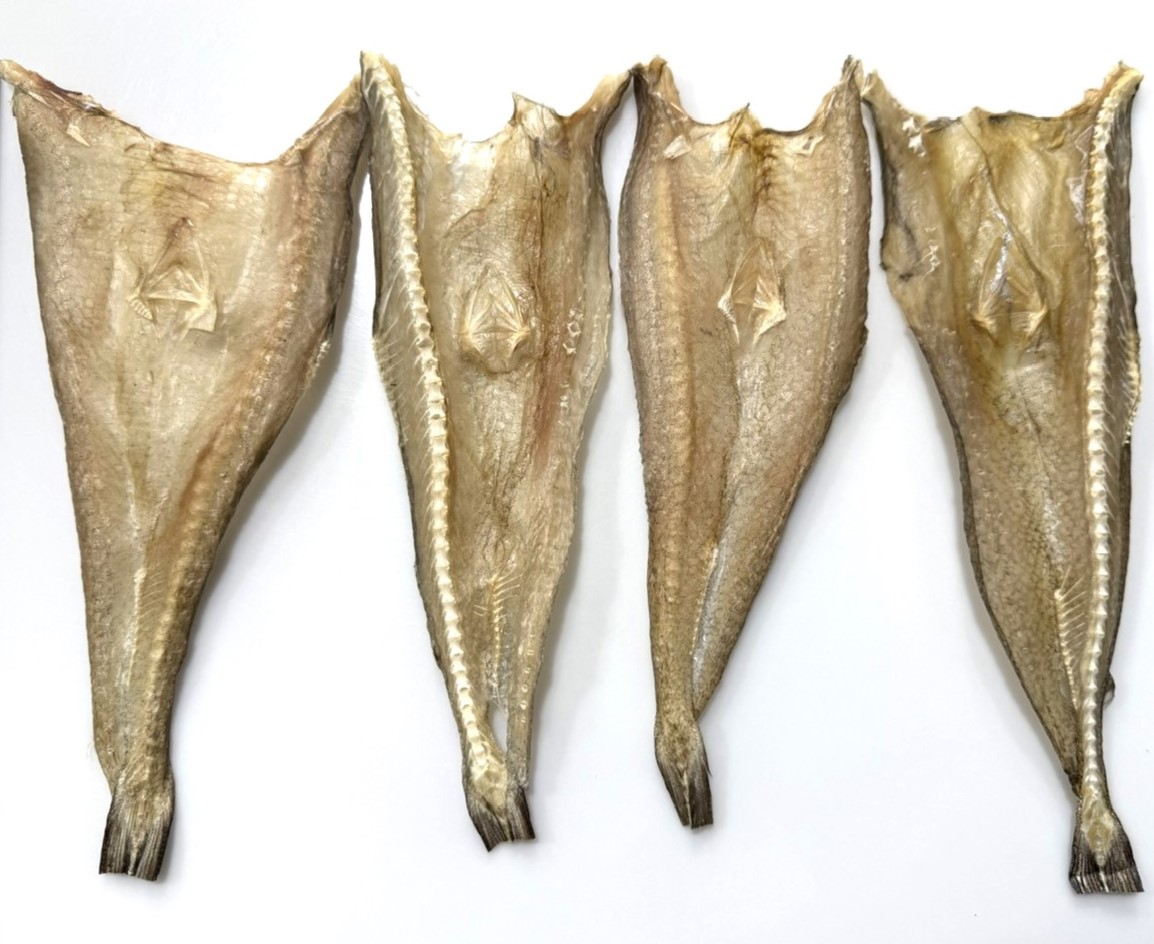
8. Dried Sardine Himego Fillet (Cá Mai Khô)
"Himego" refers to a small sardine fillet product, dried and lightly processed for a delicate, snackable format. Sardine is prized globally for its high Omega-3 content, and the fillet format makes this product easier to prepare and eat compared to whole small-fish products — appealing to both traditional dried fish buyers and health-conscious retail segments.
Best for: retail brands targeting health-conscious consumers, Japanese and broader Asian grocery distributors.
→ See our full product page: Dried White Sardine Himego Fillet
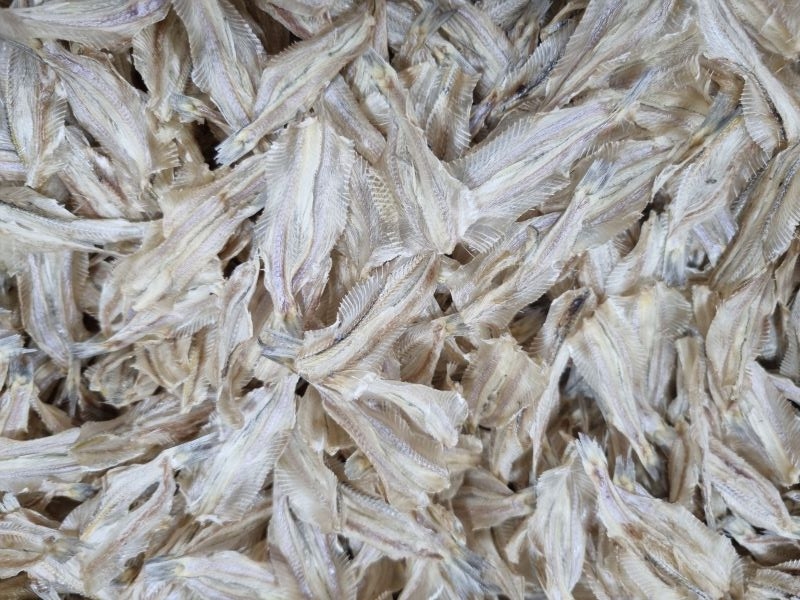
9. Half-Dried Croaker, Seasoned with Chili and Lemongrass (Cá Đù Khô)
Croaker (family Sciaenidae) is a firm-fleshed fish popular in half-dried ("semi-dried") preparations, which retain more moisture than fully dried fish for a softer texture. Baseafood's version is pre-seasoned with chili and lemongrass — a ready-to-cook format that reduces prep time for foodservice buyers while delivering a distinctly Vietnamese flavor profile.
Best for: foodservice buyers wanting ready-seasoned dried fish, retail brands targeting Southeast Asian flavor trends.
→ See our full product page: Half-Dried Croaker, Seasoned with Chili and Lemongrass
10. Dried Lizard Fish (Cá Mối Khô)
Lizardfish is dried whole and valued for its firm, flaky texture once cooked. It's commonly fried or grilled and is also used as a raw material for surimi and fish cake production in some processing chains, giving it dual value as both a direct-consumption dried fish and an industrial ingredient.
Best for: foodservice and retail buyers, food manufacturers sourcing raw material for surimi-based products.
→ See our full product page: Dried Lizard Fish
How to Choose the Right Dried Fish for Your Market
| If you're sourcing for... | Consider these products |
|---|---|
| Filipino ethnic grocery | Round Scad (Galunggong), Rabbitfish (Danggit), Yellowstripe Trevally |
| Vietnamese ethnic grocery | Anchovy, Gourami, Croaker, Lizard Fish |
| South Asian / Bangladeshi grocery | Bombay Duck |
| Eastern European / Middle Eastern markets | Moonfish |
| Health-conscious retail / Japan-adjacent markets | Sardine Himego Fillet |
| Food manufacturing (broths, seasonings, surimi) | Anchovy, Lizard Fish |
Why Source Dried Fish from Vietnam
Vietnam combines three advantages that make it a leading dried fish export origin: (1) direct access to Gulf of Tonkin, South Central Coast, and Mekong Delta fishing grounds spanning both marine and freshwater species; (2) decades of traditional drying and salting expertise passed through generations of coastal processing communities; and (3) modern export infrastructure — HACCP, BRC, FDA, HALAL, SMETA, ISO and IFS-certified facilities capable of serving buyers in the EU, US, Middle East, Africa, and Asia-Pacific with full traceability documentation.
Baseafood processes and exports all 10 dried fish varieties covered in this guide, alongside a broader range of frozen and dried seafood products. Explore the full Dried Seafood range or Frozen Fish range for related products.
Frequently Asked Questions
What is the difference between dried and half-dried (semi-dried) fish? Fully dried fish has most moisture removed for maximum shelf stability at ambient temperature. Half-dried fish retains more moisture, giving a softer texture, but typically requires refrigerated or frozen storage and has a shorter shelf life.
Why do some dried fish have different names in different countries? Common names often reflect local language and culinary tradition rather than strict taxonomy — the same species (or visually similar species) may be marketed under several names depending on the destination market. Always confirm the Latin name when placing an order to ensure you're getting the exact species you expect.
What certifications should I look for when sourcing dried fish from Vietnam? HACCP, BRC, FDA, HALAL, SMETA, ISO, and IFS are the standard certifications held by established Vietnamese seafood exporters. These cover food safety management, ethical trade auditing, and compliance with US, EU, and Halal market requirements.
Can I order mixed containers with several dried fish types? Most Vietnamese exporters, including Baseafood, can consolidate multiple dried fish SKUs into a single container (LCL) or offer full container load (FCL) options per product — contact the supplier directly to confirm minimum order quantities per SKU.
How can I request samples or a wholesale quote? Contact Baseafood directly with your target market, product selection, and estimated volume to receive pricing, samples, and export documentation.
Contact Baseafood — Vietnam Dried Fish Supplier & Exporter
For quotations, samples, or export documentation for any of the dried fish products in this guide, contact:
Ms. Nguyen
Email: nguyen.thao@baseafood.net
WhatsApp: +84 702 520 288

